The Nigerian government has taken a major step toward economic development by securing $1 billion for the Kogi Iron Ore to Steel project. This significant investment was announced during the Forum on China-Africa Cooperation (FOCAC) held in China, signaling a promising future for Nigeria’s solid minerals sector.
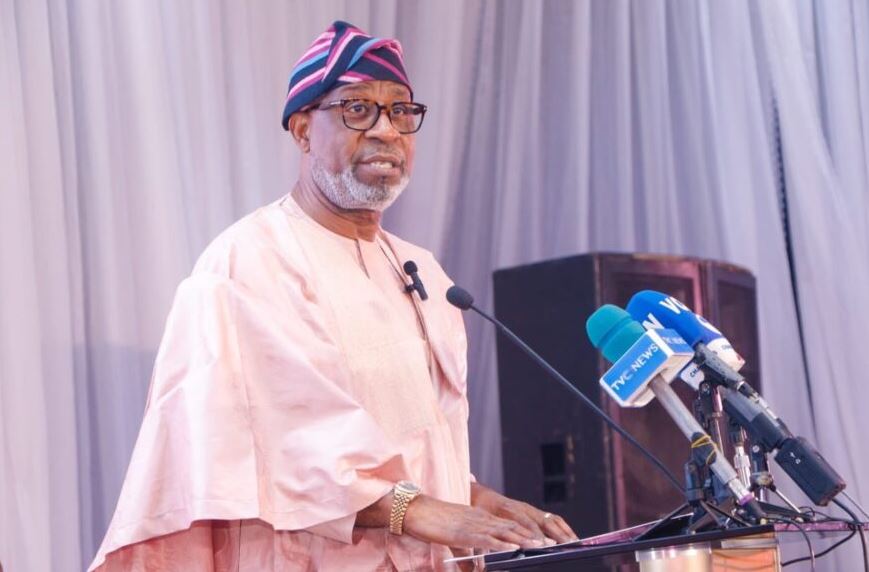
The Minister of Solid Minerals, Dele Alake, revealed that the deal, supported by the collaboration between Nigeria’s Chart and Capstone Integrated Limited and China’s Sinomach-He, is set to transform the way Nigeria handles its mineral resources. The federal government is committed to ensuring that minerals mined in Nigeria are processed locally into finished or semi-finished products, rather than exported in raw form. This change is a game changer for the Nigerian economy and will bring long-lasting benefits.
One of the most exciting aspects of this project is the potential for job creation. As the project unfolds, it will generate numerous employment opportunities, particularly for young people in Nigeria. According to Minister Alake, this shift from simply exporting raw minerals to processing them locally will also lead to significant skills transfer, allowing Nigerians to gain expertise in a crucial industrial sector.
This will not only empower the workforce but also help foster a more competitive and diversified economy. With better skills, more jobs, and local production capabilities, the country’s economy will be strengthened from within.
For years, Nigeria’s trade with China has heavily favored China, largely due to the export of raw minerals from Nigeria. This imbalance has contributed to Nigeria’s growing debt and reliance on foreign goods. However, with this new iron ore to steel project, the Nigerian government is determined to change this dynamic. By focusing on exporting finished or semi-finished products instead of raw materials, Nigeria can significantly improve its trade balance and increase its foreign exchange earnings.
Minister Alake pointed out that this initiative will help Nigeria address its debt burden while bolstering its trade relations with China in a more equitable way. He emphasized that this shift will position Nigeria as a stronger player in the global mineral market, with more control over the value of its exports.
The Kogi Iron Ore to Steel project represents a turning point for Nigeria’s solid minerals sector. The federal government’s commitment to local value addition marks a break from the old “pit-to-port” policy, where raw minerals were simply mined and exported. Instead, the new focus is on building local processing capabilities, which will help create a self-sufficient industrial base in Nigeria.
As this project moves forward, it is expected to attract further investments, create more jobs, and lay the groundwork for Nigeria to become a global leader in mineral production and processing. With the right policies and partnerships in place, Nigeria’s future in the global minerals market looks brighter than ever.
This development highlights the importance of local industries in driving economic growth and providing opportunities for the nation’s youth. Through this billion-dollar investment, the Kogi Iron Ore to Steel project is poised to not only transform Nigeria’s mineral sector but also set the stage for a more sustainable and diversified economy.
The project is not just about steel production; it’s about building a stronger, more resilient Nigeria.