Meta, the parent company of Facebook and Instagram, has agreed to pay $16.68 billion to settle a landmark case brought by attorneys general from 29 US states, who accused the technology giant of deliberately designing its platforms to be addictive to children.
Under the proposed settlement, Meta will introduce a series of changes aimed at improving child safety on Facebook and Instagram. The measures include daily usage limits, “nighttime blocks” restricting access before bedtime and enhanced age-verification measures designed to prevent underage users from accessing the platforms.
According to a court filing on Wednesday, August 26, Meta will also provide additional tools to help parents and guardians monitor and protect children online.
The agreement, described as a “consent judgment,” remains subject to court approval.
The settlement allows Meta to avoid a trial widely regarded as an unprecedented challenge to the company’s business model, which relies heavily on revenue from digital advertising.
The case is among thousands of lawsuits filed against Meta in California state and federal courts, alleging that its platforms have contributed to a growing mental health crisis among teenagers.
Earlier this week, former Meta safety researcher Arturo Béjar gave damaging testimony in the federal case, accusing the company of failing to adequately protect young users.
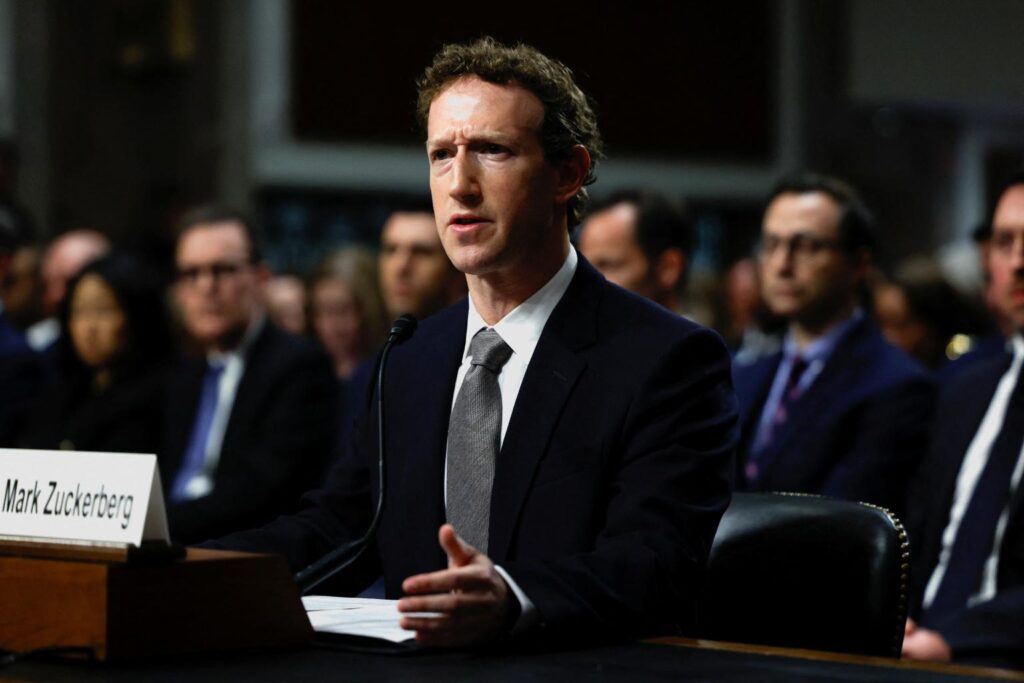
“You just cannot trust Mark Zuckerberg with kids,” Béjar said, while also accusing Meta CEO Mark Zuckerberg of misleading the public about the company’s efforts to address child safety concerns.
Béjar said he raised safety issues with Zuckerberg on at least 100 occasions during his time at the company.
“I felt that he created a false and misleading impression of Facebook’s commitment to young people,” he testified.
The coalition of state attorneys general accused Meta of violating federal law by collecting children’s data without parental consent. They also argued that features such as the “like” button and recommendation algorithms were intentionally designed to encourage excessive use and had contributed to anxiety, depression, self-harm and suicide among some teenage users.
California, Colorado, Kentucky and New Jersey, which led the case, further alleged that Meta misled the public about the risks associated with children using its platforms.
Before the trial, Meta argued that the states were seeking as much as $1.4 trillion in damages, a figure nearly equivalent to the company’s entire market value at the time. Its lawyers described the potential penalty as “outlandish” and beyond the scope of the claims.
Attorneys representing the states, however, said a $200 billion award would be a more realistic estimate if they prevailed at trial, accusing Meta of highlighting the larger figure for “shock value.”
The settlement now awaits final approval by the court.