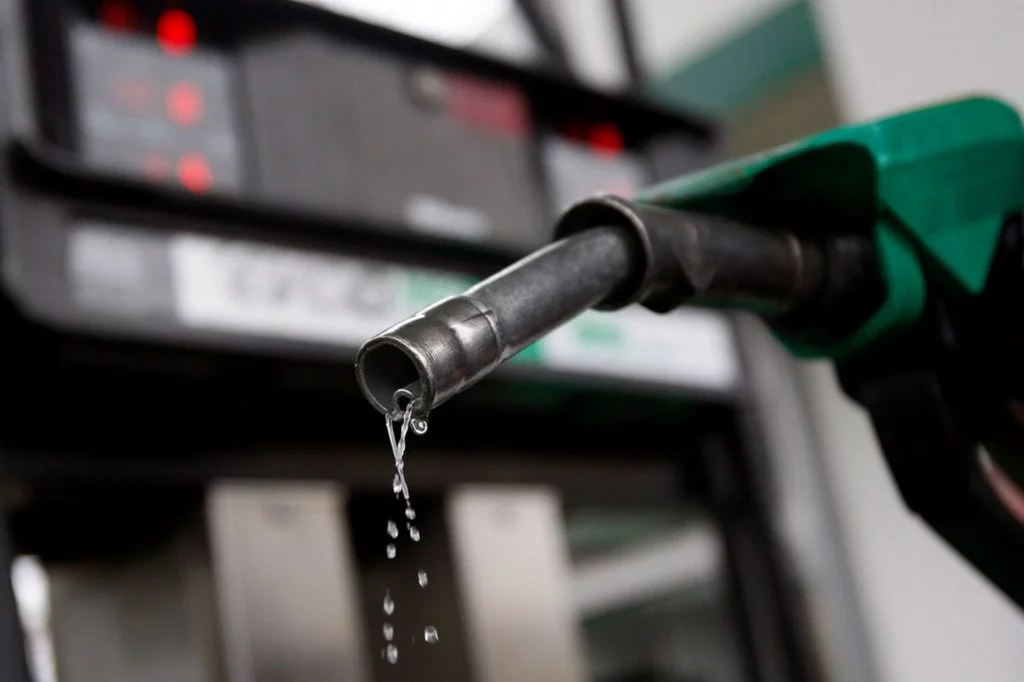
Rising fuel prices in Nigeria have sparked fresh debate, with experts and civil society groups divided on whether the government should reintroduce subsidies or provide relief measures. The increase has worsened economic hardship for many citizens.
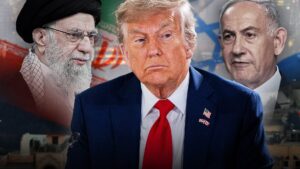
The price surge is linked to global oil market disruptions caused by tensions involving Iran, the United States, and Israel. Crude oil prices have risen above $100 per barrel, far exceeding Nigeria’s budget benchmark.
As a result, petrol prices have jumped sharply, leading to higher transport fares and food costs. Many Nigerians, especially low-income earners, are struggling to cope with the rising cost of living.
Groups like the Centre for the Promotion of Private Enterprises have warned that the situation could drive inflation higher, urging the government to take coordinated action to stabilise the economy.
However, experts such as Wumi Iledare argue that bringing back fuel subsidies would be a mistake, citing past inefficiencies and negative impacts on public finances. He recommends targeted support and reforms instead.
On the other hand, civil society voices including Auwal Rafsanjani are calling for urgent pro-people policies, stressing that government must act quickly to ease the burden on citizens facing worsening hardship.