The Human Rights Writers Association of Nigeria (HURIWA) has raised serious concerns about the ongoing rise in fuel prices, claiming that it is part of a deliberate agenda by President Bola Tinubu to benefit his close associates. HURIWA argues that these constant price hikes are not driven by market forces but are part of a strategy to empower Tinubu’s cronies at the expense of ordinary Nigerians.
“The truth and nothing but the truth is that the policy of incessantly hiking the pump price of fuel and petroleum products were never meant to benefit the commoners of Nigeria,” a statement signed by Emmanuel Onwubiko, HURIWA ‘s national coordinator, said.
“The primary goal is to financially reward friends of those holding sway in the current administration, their cronies or business affiliates.
“The hikes in the costs of fuel have only brought instability in the prices of essential food items and the inability of millions of absolutely poor households in Nigeria to buy their essential food items, has resulted in malnutrition of hundreds of thousands of children, mass hunger, increasing number of out-of-school children, and starvation and untimely deaths.
“Whereas most poor Nigerians perish in unmitigated poverty and unpredictable high costs of living, only very few people running businesses in the oil and gas sector are making a kill by way of profits as data and statistics made available at the weekend have shown this irrefutable fact.”
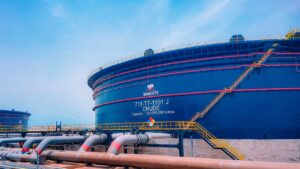
Supporting this claim, HURIWA also backed the Nigerian Labour Congress (NLC) in their accusations that oil marketers, including Dangote Refinery, are colluding to inflate fuel prices. The NLC alleges that these companies are working together to manipulate fuel prices, unfairly increasing the financial burden on Nigerians.
HURIWA is calling for oil and gas companies to adopt corporate social responsibility initiatives aimed at easing the growing poverty in the country. They warn that if these companies do not take action, the business environment in Nigeria could become unstable, as the rising discontent among the poor could lead to social unrest. The group believes that if the poor continue to suffer, it will eventually affect the wealthy as well, because the anger of the impoverished will not go unnoticed.
Additionally, the NLC has urged the government to activate refineries like the Port Harcourt Refinery to reduce the country’s dependence on imported fuel and bring down costs. This, they argue, would help lower fuel prices and reduce the strain on Nigerian citizens.
HURIWA also pointed to the financial success of oil companies in Nigeria, with six oil and gas companies listed on the Nigerian Exchange Limited (NGX) generating a staggering N2.97 trillion in revenue in the first nine months of 2024, a 115% increase compared to the same period in 2023. Despite the booming profits in the oil sector, Nigerians continue to face hardships from the rising cost of fuel.
“The Federal Government must stop implementing crude measures that unleash hardships on Nigerians whilst at the same time making very few people and companies too rich and prosperous from the hunger, starvation and untimely deaths of Nigerians,” HURIWA added.
“Government must restore the dignity and the respectable value of the Naira to stop the downward collapse of the value of the National currency.”
The call for transparency in the oil sector and a full investigation into the alleged collusion between fuel marketers is growing louder. Many Nigerians are urging the government and the National Assembly to take swift action to hold these companies accountable for any wrongdoing and to ensure that the country’s oil industry works for the benefit of the people, not just a few wealthy individuals.