The fuel market in Nigeria is experiencing significant changes as President Bola Tinubu implements a total removal of petrol subsidies. This decision comes after the influential businessman Aliko Dangote urged the government to make this move. As a result, the Nigerian National Petroleum Company Limited (NNPCL) has raised the price of petrol from N897 to N1,030, marking the third increase in just two months.
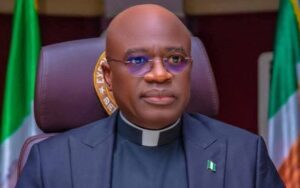
Billy Gillis-Harry, the President of the Petroleum Products Retail Outlets Owners Association (PETROAN), commented on the recent hike during an interview. He noted that the adjustment in fuel pump prices indicates that the Nigerian government, under President Tinubu, has taken Dangote’s advice seriously. The increase in petrol prices reflects broader changes in the oil and gas sector, which are part of ongoing reforms in the Nigerian economy.
Subsidies have long been a contentious issue in Nigeria. They were intended to keep fuel prices affordable for consumers. However, the burden of these subsidies on the government’s budget has led to calls for their removal. Dangote, a key figure in the Nigerian business landscape, has advocated for the elimination of subsidies to create a more sustainable and market-driven fuel pricing system.
Gillis-Harry acknowledged that while the price increase may burden consumers, it is a necessary step toward the deregulation of the oil and gas sector. This deregulation is outlined in the Petroleum Industry Act, which aims to foster competition and improve the efficiency of the industry.
The continuous rise in fuel prices poses challenges for everyday Nigerians. Higher fuel costs can lead to increased transportation fees, which in turn affect the prices of goods and services across the board. For many households, this means tighter budgets and the need to adjust spending habits.
Consumers must now navigate a landscape where fuel prices can fluctuate frequently. Staying informed about these changes will be crucial for managing expenses, especially in a time when many are still recovering from the economic impacts of the COVID-19 pandemic.
As the government continues to remove subsidies, it is essential to consider the long-term implications of this policy. While the immediate effects may be challenging for consumers, the hope is that a deregulated market will eventually lead to more stability and competitiveness in the fuel sector.
The situation underscores the delicate balance between necessary economic reforms and the immediate needs of the population. Only time will tell how these changes will ultimately impact the Nigerian economy and the daily lives of its citizens.
“If indeed we listen to Aliko Dangote’s request in his Bloomberg interview on the fact that the President should remove subsidy completely and deregulate the downstream sector, maybe this is one step to ensuring that the Petroleum Industry Act is implemented,” he said.