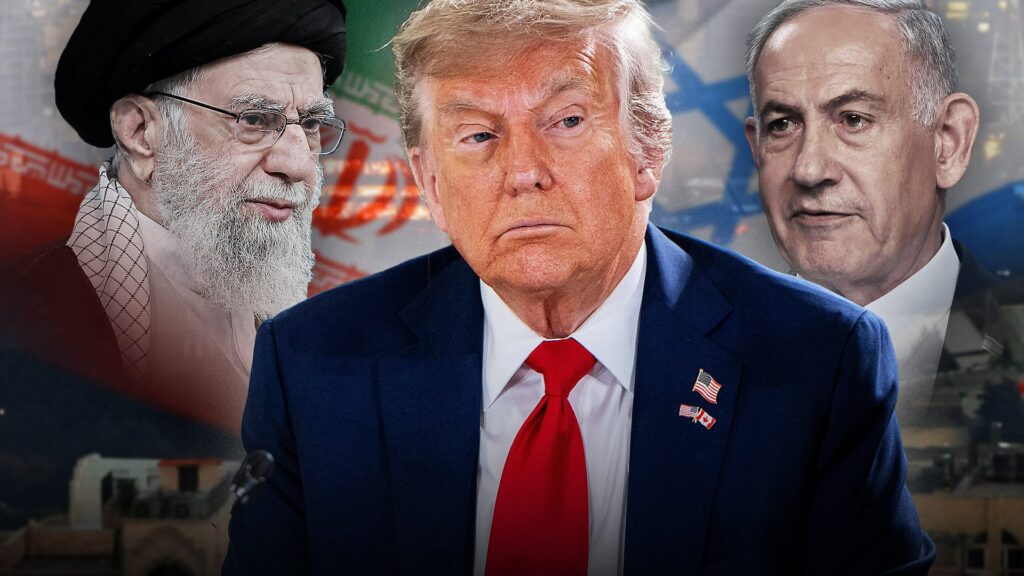
Iran Signals Readiness for Nuclear Accord, Strait of Hormuz Reopening Under Trump-Brokered Framework
TEHRAN, June 15 — Iran has agreed in principle to forgo the development of nuclear weapons and reopen the strategically vital Strait of Hormuz in exchange for the release of $25 billion in frozen assets by the United States, according to details released by Tehran on Sunday as part of a peace framework reportedly brokered by U.S. President Donald Trump.
Washington and Tehran were expected to electronically sign a memorandum of understanding on Sunday following a virtual meeting aimed at laying the groundwork for negotiations on a broader, long-term agreement governing Iran’s nuclear program, Axios reported.
President Trump expressed confidence that the agreement would proceed despite recent Israeli military strikes in Lebanon. According to reports, Trump held direct discussions with both Israeli Prime Minister Benjamin Netanyahu and Iranian officials in an effort to maintain momentum toward a diplomatic breakthrough.
Iranian officials signaled cautious optimism, suggesting that a formal agreement to halt hostilities could be within reach after months of escalating tensions.
The conflict has persisted for more than three months, contributing to significant volatility across global financial and energy markets.
On Saturday, Trump and Pakistani Prime Minister Shehbaz Sharif indicated that an agreement could be finalized as early as Sunday, triggering the immediate reopening of the Strait of Hormuz — a critical maritime corridor through which roughly one-fifth of global oil supplies transit.
“We are closer to a peace deal than ever before,” Sharif wrote on social media. “With finalization likely expected within the next 24 hours, Pakistan is preparing for the electronic signing of the peace deal, followed by technical-level discussions next week.”
An Iranian Foreign Ministry representative said a deal could be reached within days.
Under the proposed framework, the United States would unfreeze $25 billion in Iranian assets while both sides engage in a 60-day period of technical negotiations to address remaining areas of disagreement, according to Pakistani officials familiar with the discussions.
U.S. Ambassador to the United Nations Mike Waltz said the agreement would require Iran to relinquish its stockpile of highly enriched uranium — estimated at nearly 1,000 pounds — and end its support for regional proxy groups designated as terrorist organizations by Washington.
The proposed arrangement would also include the lifting of U.S. restrictions on Iranian-linked vessels operating through the Strait of Hormuz, officials said.
Further details of the agreement are expected to emerge as negotiations continue.