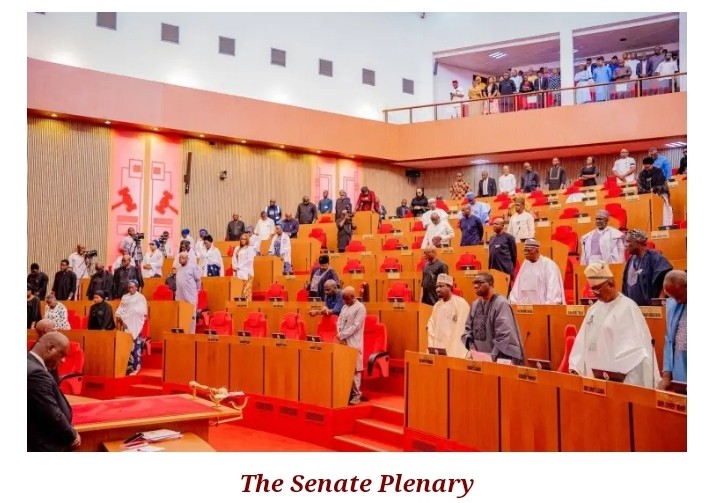
Nigeria’s ongoing debate over electoral reforms has taken a troubling turn following the Senate’s rejection of real-time electronic transmission of election results. This provision, widely seen as the backbone of the proposed amendments to the Electoral Act 2022, was designed to strengthen transparency and reduce manipulation at collation centres. Its removal has sparked fears that the country may once again face disputed outcomes and legal battles in the 2027 general elections.
Reports suggest that most senators actually supported electronic transmission, but the Senate leadership overruled this position, citing concerns many Nigerians consider weak and unconvincing. Opposition lawmakers insist that even the Senate’s own ad hoc committee recommended real-time transmission, a claim backed by committee members. Civil society groups and opposition parties have since described the Senate’s action as a direct blow to electoral credibility.
The House of Representatives, on its part, passed a different and more reform-focused version of the bill in December 2025. This has now created the need for harmonisation between both chambers before the bill can be sent to the President. Many stakeholders are urging the House to stand firm on its version, which reflects broad consultations and lessons from the disputed 2023 elections, particularly around the failures of result transmission to the IReV portal.
Beyond electronic transmission, the wider reform package includes tougher penalties for vote-buying, sanctions for electoral officials who breach procedures, and stricter rules on party primaries. Critics argue that weakening these provisions only preserves old loopholes that undermine public trust. As Nigeria prepares for another election cycle, the demand from citizens and civic groups is clear: electoral laws must prioritise clarity, integrity and the true will of the people.