Nigeria’s public debt has reached a worrying level, surpassing the legal limit and raising serious concerns about the country’s financial stability.
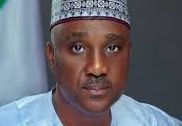
House Speaker Tajudeen Abbas has warned that urgent action is needed to address the growing debt and ensure it is managed responsibly.
Speaking at the opening of the 11th Annual Conference and General Assembly of the West Africa Association of Public Accounts Committees (WAAPAC) at the National Assembly in Abuja, Abbas said Nigeria’s debt situation has reached a critical point.
He called for immediate reforms in how the government borrows money and oversees repayment.
As of the first quarter of 2025, Nigeria’s total public debt stood at N149.39 trillion, about US$97 billion. This marks a sharp rise from N121.7 trillion the previous year, showing how quickly the debt is growing.
More concerning, the debt-to-GDP ratio is now roughly 52 percent, well above the statutory limit of 40 percent.
Abbas described this as a clear warning sign for the country’s fiscal health, stressing the need for transparent borrowing and strong oversight.
He also highlighted that many countries in Africa are facing similar debt pressures, often spending more on loan repayments than on essential services like healthcare.
Abbas emphasized that this is not just a budget issue but a structural challenge that requires urgent attention from lawmakers and coordinated reforms.
The Speaker warned against reckless borrowing, noting that loans should primarily be used to fund infrastructure, healthcare, education, and industries that create jobs and reduce poverty.
Borrowing for consumption or corrupt practices should be rejected, and oversight should focus on the real impact of debt on people’s lives.
Abbas reaffirmed the House’s commitment to accountability. Under its Open Parliament policy, major borrowing proposals will be subjected to public hearings, and simplified debt reports will be made available to citizens, ensuring transparency in how the nation’s money is managed.