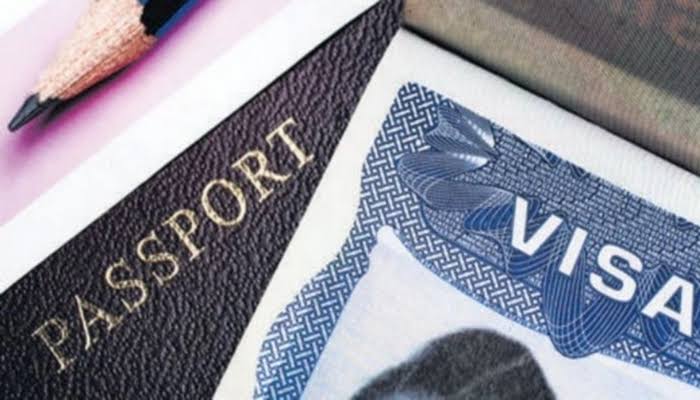
The Federal Government of Nigeria has said it will respond in the same way after the United States introduced stricter visa rules, requiring Nigerian applicants to submit their social media history from the past five years.
The U.S. Mission in Nigeria announced on X (formerly Twitter) on August 18 that any applicant who fails to provide these details may face visa refusal. It also warned that such individuals could be barred from future entry into America.
In reaction, the Nigerian government stated it will introduce the same visa conditions for U.S. citizens applying to visit Nigeria.
This new U.S. policy expands on an earlier rule applied mainly to international students. Under that regulation, students had to provide their social media handles and even remove privacy settings to allow authorities to review their online activity.
According to the Mission, the requirement is part of measures introduced by the Trump administration to strengthen national security and tighten immigration controls.
The new system now requires visa applicants to list all user IDs, including email addresses, usernames, handles, and phone numbers they have used in the last five years across different platforms and apps.
If an applicant used multiple usernames, phone numbers, or accounts on the same platform within that period, they must also include all of them in the DS-160 visa form.
The Mission explained further: “Applicants must provide every social media username or handle they have used in the past five years.
Leaving out any information could lead to rejection and being declared ineligible for future visas. This includes usernames, screen names, and other identifiers linked to social media platforms.”
Meanwhile, reports reveal that since Secretary of State Marco Rubio assumed office seven months ago, the U.S. State Department has already revoked about 6,000 student visas.
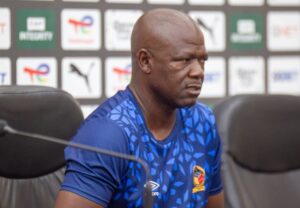
Reacting to the move, Kimiebi Ebienfa, spokesperson for Nigeria’s Ministry of Foreign Affairs, confirmed that the government was notified ahead of the announcement.
He stressed that Nigeria will respond with the same measures. “Visa policies are reciprocal. Whatever they ask Nigerians to do, we will require the same from U.S. citizens seeking visas to Nigeria,” he said.
Ebienfa further explained that the Nigerian government will hold an inter-agency meeting to decide the best response. The meeting will involve the Ministry of Foreign Affairs, the Ministry of Interior, and the National Intelligence Agency (NIA).
He added: “The government will adopt a collective decision after consultation with all the relevant agencies so that the response will be complete and effective.”