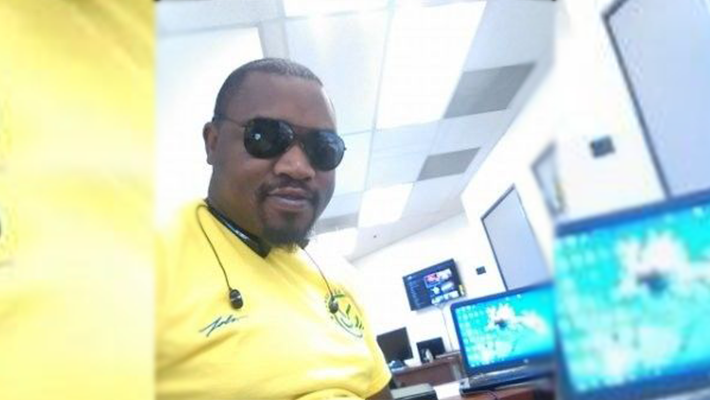
A Nigerian man has been sentenced to 11 years and 3 months in prison in the United States for stealing $1.3 million in unemployment and disability benefits meant for people affected by the COVID-19 pandemic. He sent in over 100 fake applications using stolen identities and spent the money on a nightclub and shopping mall in Nigeria.
The man, Abiola Femi Quadri, who is 43 years old and lives in Pasadena, California, was sentenced on July 10, 2025, by U.S. District Judge George H. Wu.
Along with the prison sentence, the judge also told Quadri to pay back $1,356,229 to the government. He was also given an extra fine of $35,000.
Court records show that Quadri is a Nigerian citizen who got permanent residency in the U.S. through a fake marriage. He admitted this in messages to a woman he was not married to. Earlier this year, on January 2, he pleaded guilty to one count of working with others to commit bank fraud.
Quadri lived in the San Gabriel Valley and kept withdrawing the stolen benefits from ATMs until he was arrested in September 2024. He was caught at the Los Angeles International Airport while trying to travel to Nigeria.
During the time of the fraud, Quadri sent at least $500,000 overseas. He also paid for the construction of a luxury resort hotel in Nigeria called Oyins International. The resort has 120 rooms, a nightclub, and a shopping mall. However, when asked by the court to share his assets, Quadri did not reveal that he owned the hotel.
When investigators checked his phone, they found pictures of 17 fake checks worth more than $3.3 million. He had also exchanged messages discussing how to use the checks. Some of the fake checks were made out to businesses set up under his false names.
Quadri claimed to be running a daycare center called Rock of Peace in Altadena, where he was paid to take care of children with developmental disabilities. But when agents searched his house, they found debit cards meant for feeding the children, which had been misused.
The case was investigated by several U.S. agencies, including the United States Postal Inspection Service, Homeland Security Investigations, and California’s Employment Development Department. Assistant U.S. Attorney Andrew Brown handled the prosecution.