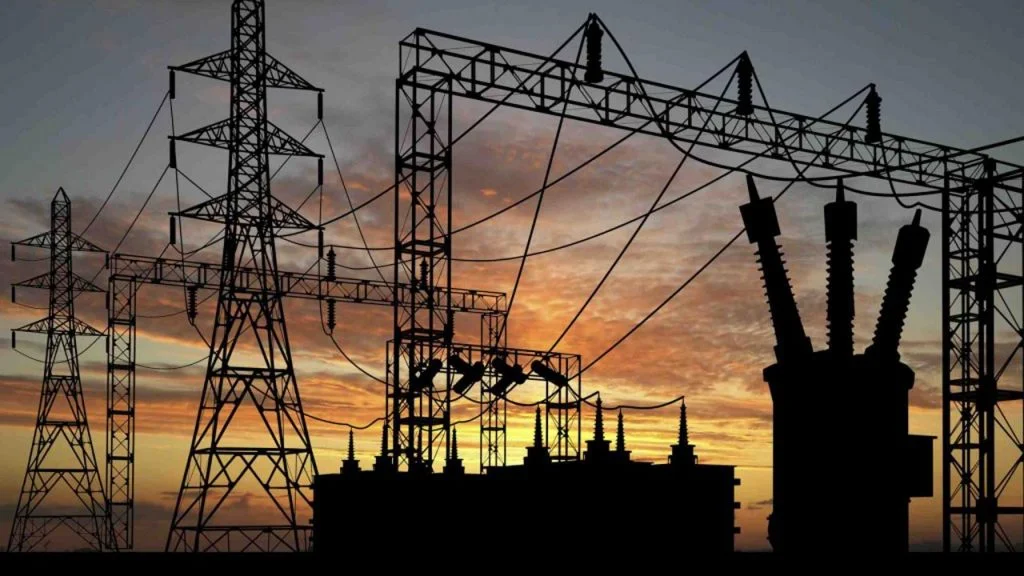
On Wednesday, Nigeria experienced another power outage after the national grid collapsed, plunging the country into darkness. The cause of the collapse has sparked confusion, with different parties pointing fingers at each other. Power generation companies (GenCos) blamed the blackout on the suspension of gas supply due to a staggering debt of over N2 trillion. According to them, gas suppliers halted deliveries to power plants, which led to the grid failure.
However, the Nigerian Midstream and Downstream Petroleum Regulatory Authority (NMDPRA) denied any involvement in the outage. In a statement, they clarified that they did not issue any instructions to stop gas supply to generation companies. NMDPRA assured the public that no such directive was given, and the blackout was not related to any actions they had taken.
Despite NMDPRA’s denial, Dr. Joy Ogaji, CEO of the Association of Power Generation Companies, confirmed that gas suppliers had indeed stopped providing gas to GenCos. She explained that 70% of Nigeria’s electricity comes from gas-fired power plants, so the suspension of gas supply had a significant impact on the national grid. The growing debt, which has now surpassed N2.7 trillion, was cited as the reason behind the suspension of gas deliveries.
The blackout, which occurred around 1:36 PM, marked the 12th grid collapse in Nigeria this year alone. Power restoration efforts began quickly, and by Wednesday night, some parts of the Federal Capital Territory, including Abuja, had their electricity supply restored. The Transmission Company of Nigeria (TCN), responsible for the national grid, has not yet commented on the situation.
NMDPRA also emphasized that they had held recent meetings to engage stakeholders on the implementation of a wholesale gas supply license and denied any false claims about halting gas supply. They assured the public that efforts are ongoing to ensure a seamless supply of gas and petroleum products as the country moves toward the festive season.
The incident highlights the ongoing struggles within Nigeria’s energy sector, with debt issues and gas supply disruptions continuing to cause instability in the power grid.