LAGOS, NIGERIA — September 3, 2026 — The United States Consulate in Lagos has intensified efforts to facilitate technology and investment partnerships between Nigerian entrepreneurs and American businesses, as both countries seek to deepen commercial ties and unlock new opportunities in Nigeria’s rapidly expanding digital economy.
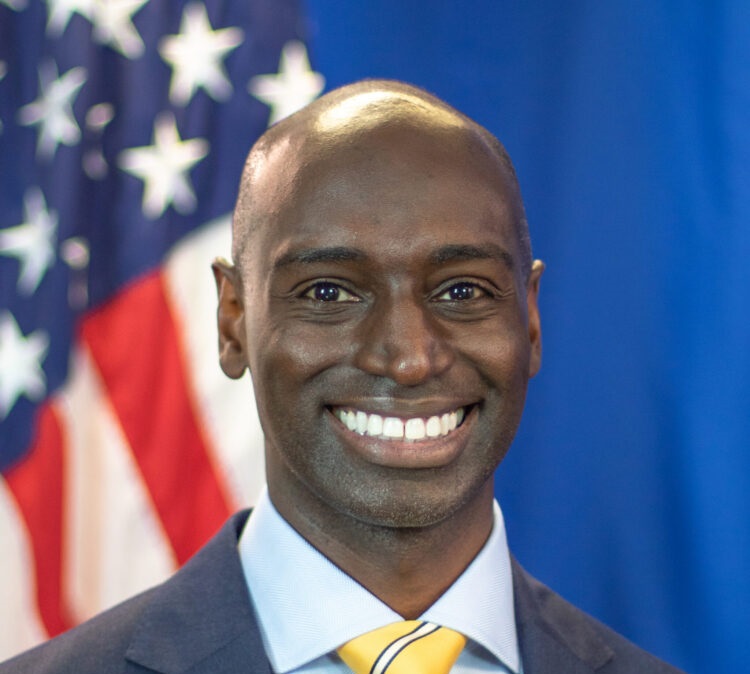
The newly appointed U.S. Consul General, Brandon Hudspeth, disclosed this on Wednesday at the GITEX Nigeria 2026 event in Lagos, saying the initiative is being driven under the U.S.-Nigeria Commercial and Investment Partnership (CIP).
Hudspeth said the Consulate was positioning itself as an active facilitator of business deals, investment opportunities and connections between Nigerian entrepreneurs and U.S. companies.
“At the Consulate, we are working to support these synergies, to drive mutual prosperity, facilitate deals, and bring Nigerian entrepreneurs together,” Hudspeth said.
He expressed confidence that technology and investment partnerships between the two countries would expand significantly, creating jobs, generating prosperity and delivering new services across both sides of the Atlantic.
“I know there is enormous potential for these partnerships to grow even further. There is collaboration that will bring prosperity, create jobs and deliver services on both sides of the Atlantic,” he added.
The Consul General also highlighted the growing role of major American technology companies in strengthening Nigeria’s digital talent pipeline.
According to him, companies including Google, Cisco, Meta and Microsoft are currently training hundreds of thousands of Nigerians in technology and artificial intelligence, helping to prepare the country’s workforce for opportunities in the global digital economy.
“U.S. companies are working today to help build the Nigerian talent pool,” Hudspeth said, adding that he believed Nigeria’s next generation of successful technology companies was already emerging.
“I believe that among us today are the developers of the next six unicorns,” he said.
Hudspeth based his optimism on the rapid growth of Lagos’ technology ecosystem, citing the 2025 Global Tech Ecosystem Index, which ranked Lagos as the world’s number one Rising Star following a twelve-fold increase in the ecosystem’s valuation since 2017.
He said Lagos had produced six of Africa’s ten unicorns, while Nigeria’s technology sector now accounts for more than 16 per cent of the country’s Gross Domestic Product.
Hudspeth further noted that U.S.-based investors have remained the largest source of foreign capital for Nigeria’s technology ecosystem over the past decade, accounting for an estimated 60 per cent of venture capital investments flowing into the country.
The investments, he said, come from major global technology firms, venture capital companies and philanthropic organisations, including Google, Meta, Microsoft, Visa, Mastercard, the Gates Foundation and the Chan Zuckerberg Initiative.
The renewed push is expected to build on the U.S.-Nigeria Commercial and Investment Partnership, established in July 2024 as a five-year framework aimed at strengthening bilateral trade and investment, reducing commercial barriers and attracting new investments.
The partnership focuses on key sectors including agriculture, the digital economy and infrastructure, with both countries working to identify and address barriers that could hinder increased commercial activity.
The development also comes as the Nigerian government steps up efforts to connect the country’s growing pool of skilled professionals with international opportunities.
On August 31, 2026, the Federal Government launched the “Hire From Nigeria” campaign, targeting one million export-linked jobs over the next five years by connecting Nigerian professionals, digital experts and service providers with global employers and clients.
The combined initiatives signal a growing push to position Nigeria as a major global technology and services hub, while attracting foreign investment and creating new opportunities for the country’s expanding workforce.