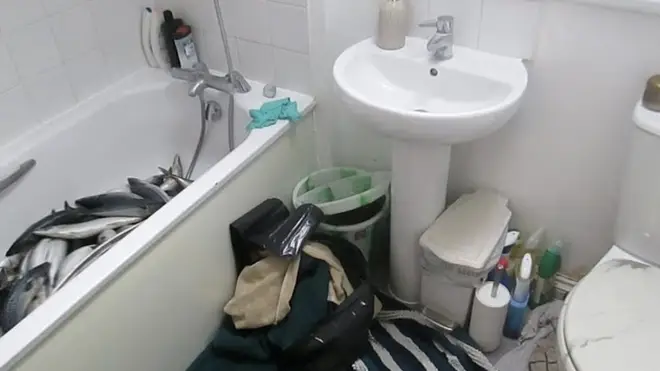
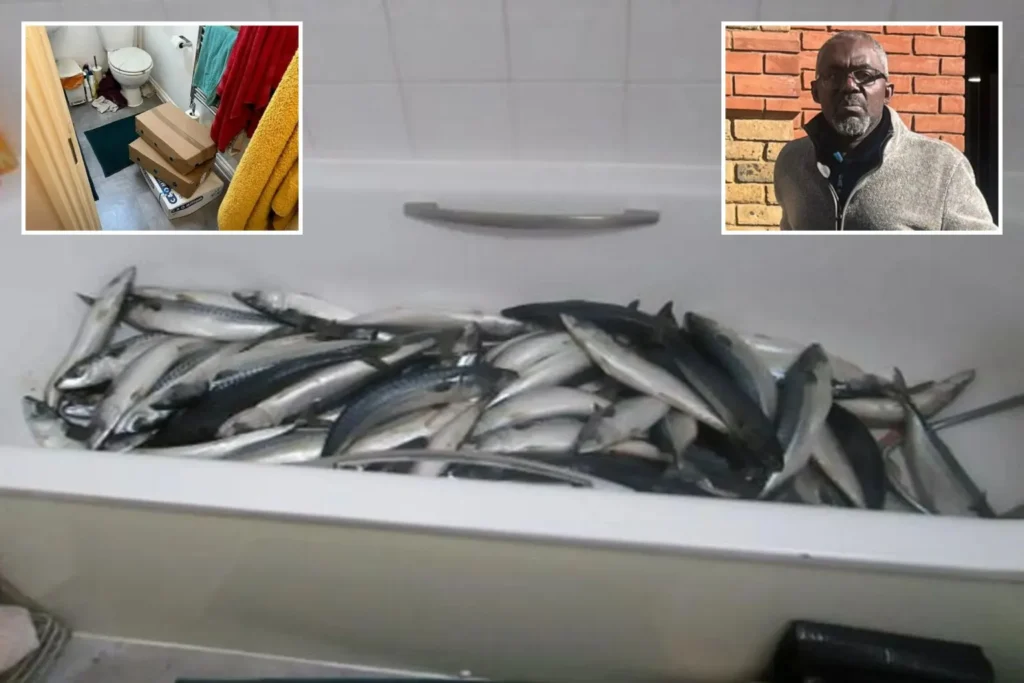
A Ghanaian chef has escaped going to prison after he was caught keeping fish inside his bathroom, right beside the toilet, before using it to prepare meals that were sold illegally in shops.
Stephen Akuoko had been running his business in Watford, Hertfordshire, using the name Tribal Foods for over three years.
The 62-year-old prepared ready-made meals which he supplied to supermarkets and small shops. However, the food had very long expiry dates and did not properly list ingredients, making them unsafe to eat.
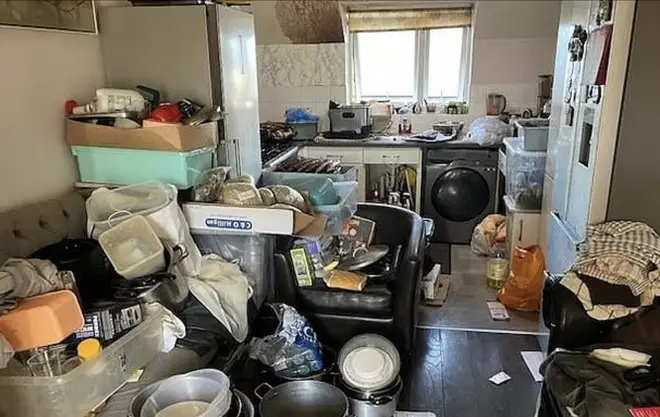
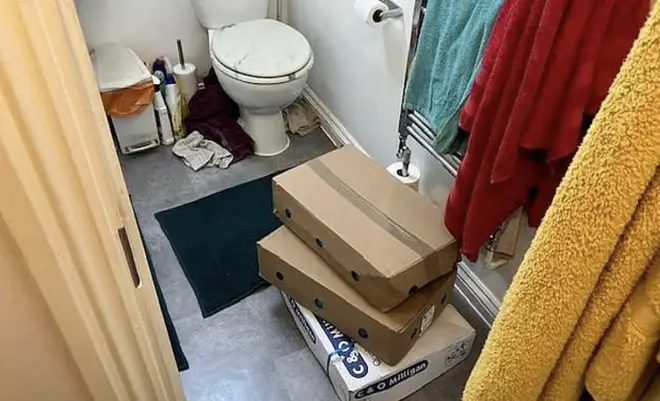
Firefighters were called to his house on Haines Way in October 2024 due to a fire. While inside, they discovered large amounts of fish kept in the bathtub and on the bathroom floor near the toilet.
According to Mr Coley, it was hard for officials to find Akuoko. When they finally spoke to him, he reacted angrily and accused them of disturbing him.
After a fire broke out in his kitchen, Akuoko claimed the food in his house was only meant for him and his family.
He also promised officials that Tribal Foods products would no longer be sold in Watford.
However, not long after, his food products without proper labels were found again in a nearby shop.
Authorities later checked CCTV footage and discovered that he had delivered food to the same shop three times within a few weeks.
Akuoko again told Trading Standards officers that he would stop selling his products.
But just one week after the fire incident, his unlabelled food items were still found in shops, with CCTV confirming multiple deliveries.
He later admitted guilt to two food safety offences.
At St Albans Crown Court, the judge strongly criticised him for producing food that was unsafe to eat and gave him a two-year prison sentence, which was suspended.
He was also banned from running any food business for five years.
Prosecutor Michael Coley explained that the investigation began after environmental health officers found suspicious ready meals with long expiry dates and missing ingredient details in local shops.
He described Akuoko’s actions as a deliberate violation of the law and a serious disregard for food safety rules.
Akuoko admitted breaking food safety and hygiene laws and ignoring official warnings to correct his actions.
His lawyer, Aleister Adamson, said Akuoko had previously owned a supermarket for many years before losing it after his lease ended.
The judge, Francis Sheridan, said the business had grown beyond Akuoko’s control, leading him to use very unhygienic methods like keeping fish in the bathroom before cooking and selling it.
He added that it was shocking that Akuoko would even consider feeding such food to anyone, including his own family.
The judge stressed that the food was supplied to shops and supermarkets but was clearly unsafe for people to eat.
He also said that while Akuoko might be a good cook at home, he should not have turned it into a business under such poor conditions.
The judge warned that food poisoning can be very dangerous and even lead to death, and if that had happened, Akuoko could have faced more serious charges like manslaughter.
He also praised the environmental health officers for their persistent work in protecting the public.
Justine Hoy from Watford Borough Council said food safety laws are there to protect people’s health.
She added that Akuoko failed repeatedly to follow the rules, even after being warned by authorities.
She concluded by saying the successful case shows the council’s commitment to ensuring high food safety standards and protecting the public.
0