
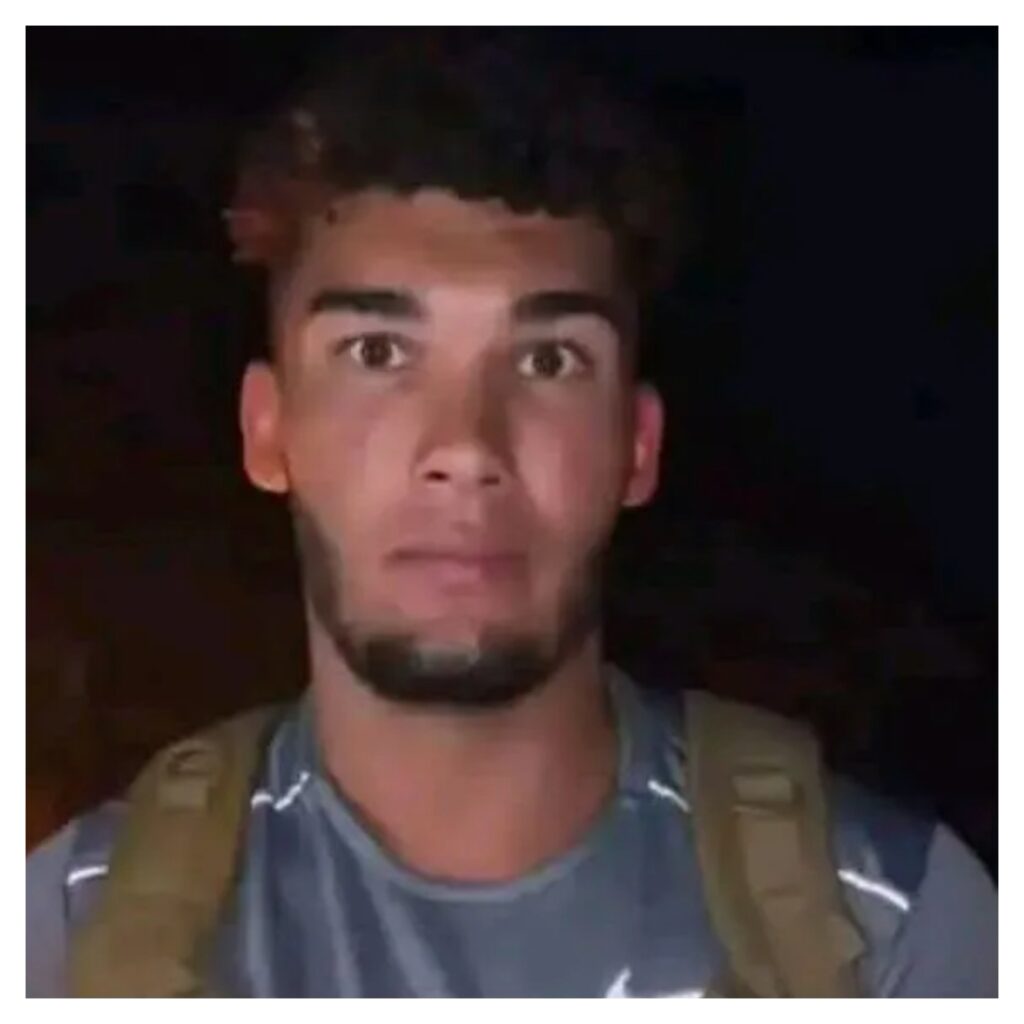
The Nigerian Federal Government has expelled American missionary Alex Barber, citing fears that his statements could increase tensions and deepen divisions, especially in Plateau State.
The move comes after growing controversy over his work in Nigeria’s North-central region, where authorities claimed his remarks might incite unrest.
Abiodun Essiet, Senior Special Assistant to President Bola Tinubu on Community Engagement (North Central), confirmed the expulsion during an appearance on TVC.
She stated, “Alex Barber is no longer in Nigeria. He has been removed and sent out because of activities that are creating division.”
Essiet also linked his statements to violence in Jos, saying, “After his speech in Jos, two Muslims were killed immediately. His provocative remarks led to his removal from the country.”
Barber, a former American football player turned missionary, had gained attention for humanitarian efforts in Benue and Plateau states.
Through his initiative, Building Zion, and with a US-based NGO, he helped rebuild homes and support displaced residents.
In Yelwata, Benue State, he reportedly rebuilt dozens of houses destroyed during attacks. During a January 2026 project event, he said, “So far, we have rebuilt 35 housing units. The joy among the people is overwhelming.”
Community leaders praised his work. Julius Joor, Yelwata’s traditional ruler, said, “Private individuals have helped in a massive way. You have restored hope to our people.”
Legal practitioner Franc Utoo added, “You’ve done what both the federal and state governments have failed to do.”
Despite this, Barber’s public statements drew criticism. In interviews and online posts, he described violence in the Middle Belt as organised and systematic.
Speaking to News Central Television, he said, “This is not just random criminality. This is a war being waged on people.”
He also questioned official positions, asking, “If there’s no war in Nigeria, what is happening?”
His comments, criticizing government handling of crises, increased his global profile but caused local backlash.
Critics argue his description oversimplifies complex issues like banditry, farmer-herder clashes, and insurgency, and warned that framing it along religious lines could worsen tensions.
Former presidential aide Bashir Ahmad called for investigations, saying Barber’s actions could “threaten public peace,” while cleric Ahmad Gumi also raised concerns.
In a petition to Plateau State security agencies, Aliyu Naziru claimed Barber was at a violent scene under unclear circumstances and called for a probe, though no evidence links him to crimes.
Supporters argue Barber highlighted neglected crises. Religious leaders, including COCIN priest Ezekiel Dachomo, defended his work and warned against silencing him.
Responding to criticism, Barber said, “They ignore my village rebuilding… but when I speak out, people react.”
He stressed that victims across religions have suffered attacks in several northern states.
Analysts note that freedom of speech is recognised in Nigeria, but the law limits statements that may incite violence, especially in sensitive areas. Authorities can deport foreigners whose actions threaten national interest.
Essiet said the government acted to prevent division, drawing comparisons to past global conflicts.
“That’s why the government acted. We don’t want outsiders creating division,” she said.
“I’ve been to Rwanda… the narratives Alex Barber was spreading resemble what foreign actors did there, which led to genocide. Nigeria must not follow that path.”
Barber denied any link between his statements and violence.
In a Facebook post, he wrote, “If Abiodun Essiet made this claim, it is false. I have never met or spoken to them.”