
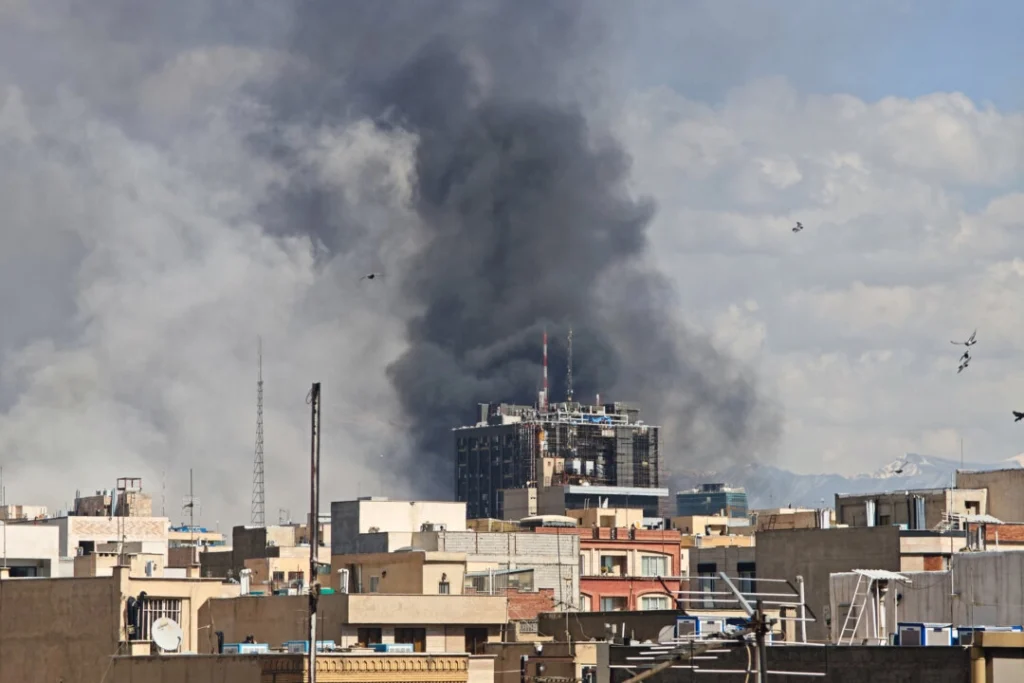
Saudi Arabia has issued a fresh warning to Iran following a deadly attack that killed two Bangladeshi nationals in the kingdom, escalating tensions amid an expanding regional conflict.
In a statement released Monday on X, the Saudi Ministry of Foreign Affairs strongly condemned what it described as “Iranian attacks against the Kingdom and the member states of the Gulf Cooperation Council, as well as a number of Arab, Islamic and friendly countries.”
The ministry said the attacks “cannot be accepted or justified under any circumstances,” stressing that Saudi Arabia reserves the right to defend itself.
“The Kingdom affirms that it retains its full right to take all necessary measures to safeguard its security, sovereignty, and the safety of its citizens and residents, and to deter aggression,” the statement said.
Riyadh also warned that any further Iranian strikes would mark a serious escalation and could damage relations between the two countries.
“Iran would be the greatest loser,” the ministry added.
The warning follows a series of security incidents across the region. Saudi Arabia’s defense ministry said early Monday that its forces intercepted drones over the northern Jawf region and near the massive Shaybah oil field.
Late Sunday, an attack in the central city of Kharj killed two Bangladeshi nationals and injured 12 others, most of whom were also from Bangladesh.
Elsewhere in the Gulf, Qatar’s defense ministry reported that it intercepted 17 missiles and six drones launched from Iran toward the country on Monday, adding that there were no casualties or damage.
The attacks come amid intensifying hostilities following a U.S.–Israeli aerial campaign against Iran that began on Feb. 28 and reportedly killed several Iranian leaders, including former supreme leader Ayatollah Ali Khamenei. Over the weekend, Iran’s ruling establishment named his son, Mojtaba Khamenei, as his successor.
In retaliation, Iran has launched missiles and drones toward multiple countries in the region, including Israel and U.S. partners such as Qatar, the United Arab Emirates and Saudi Arabia.
Iranian projectiles were also fired toward Azerbaijan and Turkey last week, prompting warnings from Azerbaijani officials that Baku could respond if Tehran fails to investigate.
Security concerns are also affecting diplomatic operations. On Sunday, the U.S. State Department ordered non-emergency embassy staff to depart Saudi Arabia, citing heightened risks from terrorism, armed conflict, and potential drone or missile attacks originating from Iran and Yemen. It marks the first such departure order for the kingdom since the conflict began.
The U.S. military also confirmed Sunday that a seventh American service member has died from injuries sustained in an Iranian attack on troops stationed in Saudi Arabia. The first six casualties were U.S. Army reservists killed during a March 1 strike on a Kuwaiti port.
The escalating conflict is also sending shockwaves through global markets. Oil prices surged Monday amid fears of supply disruptions, raising concerns that rising energy costs could drive inflation and curb consumer spending.
Financial markets reacted sharply. Tokyo’s Nikkei 225 index dropped as much as 7 percent in early trading, while other Asian markets also declined.
Meanwhile, the American Automobile Association (AAA) reported that the average price of a gallon of regular gasoline in the United States climbed to $3.478 on Monday, up significantly from $2.997 just a week earlier.