
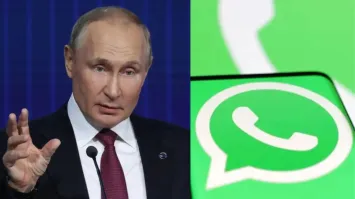
The Russian government has confirmed it has blocked access to WhatsApp, directing citizens to transition to the state-backed Max messaging platform as part of a broader push to promote domestic digital services.
The move follows recent restrictions imposed on Telegram, another widely used messaging application in Russia. Telegram remains popular among millions of users, including military personnel, senior officials, state media organizations, and government institutions such as the Kremlin and the communications regulator, Roskomnadzor.
Kremlin spokesperson Dmitry Peskov announced on Thursday, February 12, that WhatsApp was blocked over alleged legal violations by its parent company, Meta. He did not provide further details.
“Max is an affordable alternative on the market for citizens, a developing national messenger,” Peskov said. “Regarding the blocking of WhatsApp, our authorities did indeed state that the decision was made and implemented due to the corporation’s unwillingness to comply with the law.”
WhatsApp is owned by Meta, which also owns Facebook and Instagram — both of which have already been banned in Russia.
In a statement released earlier Thursday, WhatsApp said the Russian government had “attempted to fully block” the platform, describing the action as an effort to push users toward “a state-owned surveillance app.”
“Trying to isolate over 100 million users from private and secure communication is a backwards step and can only lead to less safety for people in Russia,” the company said, adding that it would continue working to maintain connectivity for its users.
Despite the block, some users reported continued access to WhatsApp through virtual private networks (VPNs). However, Russian authorities have intensified measures against VPN usage, restricting access to hundreds of such services. A law enacted in September also prohibits the advertising of tools designed to bypass state-imposed internet restrictions.
The latest action is not the first against the platform. In August 2025, Roskomnadzor imposed limitations on video and voice calls via WhatsApp and Telegram, citing efforts to combat criminal activity. At the time, WhatsApp accused Moscow of attempting to curtail access for Russian users.
The domestically developed Max app is now being pre-installed on new devices as part of a broader strategy to reduce reliance on foreign technology platforms. Marketed as an all-in-one “super-app,” similar to China’s WeChat, Max integrates messaging, voice and video calls, payments, and access to government services. The app also enables users to verify their identities for public service platforms.
Earlier this week, Russian authorities announced additional restrictions on Telegram, alleging the platform had failed to remove content classified as “criminal and terrorist.” Telegram founder Pavel Durov dismissed the measures, stating that efforts to curb the platform would not succeed and affirming that “Telegram stands for freedom of speech and privacy, no matter the pressure.”