
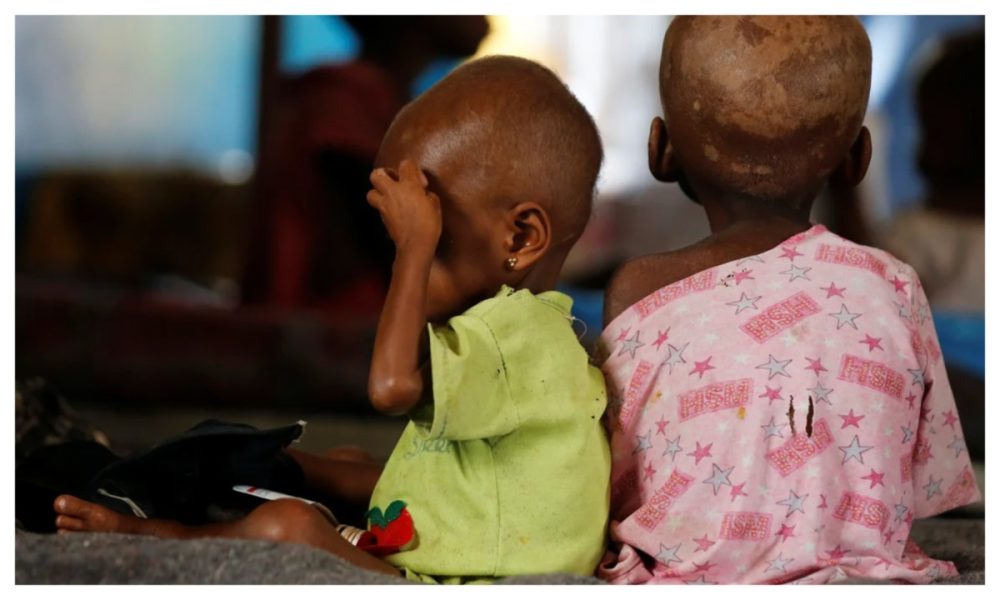
The malnutrition crisis in Kebbi State is becoming more severe, putting thousands of children at risk of hunger, illness, and early death. Health workers say many families are struggling to provide enough food, while hospitals and nutrition centres are overwhelmed by the growing number of sick children. What was once seen as a seasonal problem has now become a long-term emergency.
Reports from aid organisations show a sharp rise in malnutrition cases across the state. Doctors Without Borders, also known as MSF, recorded a major increase in the number of children treated for severe malnutrition in early 2025. Medical staff say many children arrive late for treatment, often after travelling long distances, when their condition has already become critical.
Experts explain that the crisis is driven by deep poverty, food insecurity, poor feeding practices, and weak healthcare services. Farming challenges, climate change, and rising food prices have reduced access to nutritious meals, especially in rural communities. Civil society groups warn that prolonged malnutrition can affect children’s growth, learning ability, and future productivity.
Aid organisations are calling on the Kebbi State Government to strengthen nutrition programmes, ensure steady supplies of therapeutic food, and focus on early prevention at the community level. They stress that lasting solutions must go beyond emergency care to address poverty, healthcare gaps, and food access. Without urgent and coordinated action, many fear that more children will continue to suffer from preventable hunger and disease.