
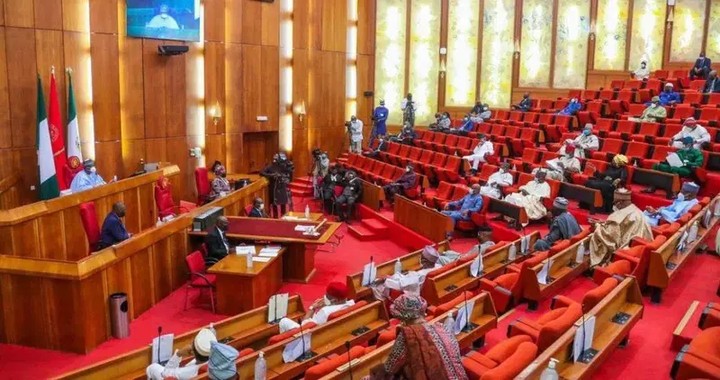
Fresh details have surfaced on how the Senate dropped a proposal that would have made real-time electronic transmission of election results compulsory ahead of the 2027 general elections. The proposal was part of the Electoral Act Amendment Bill 2026 and focused on forcing INEC officials to upload polling unit results directly to the IReV portal immediately after counting. Despite earlier support, the clause was removed during late-night deliberations in the Senate.
Reports indicate that the amendment initially enjoyed wide backing, including approval during a closed-door session and endorsement by an ad-hoc committee that consulted INEC, civil society groups, and other stakeholders for over a year. However, during final clause-by-clause consideration, the provision was quietly altered. Instead of “real-time electronic transmission,” the Senate retained the older wording that allows results to be “transferred” in a manner determined by INEC, without mandatory real-time upload.
The move has triggered strong reactions nationwide, forcing Senate President Godswill Akpabio to summon an emergency sitting to address the controversy and approve official records of proceedings. Legal experts, civil society leaders, and the Nigerian Bar Association have warned that ambiguity in the law could weaken public confidence in future elections. They urged INEC to continue preparations under the existing law while lawmakers resolve the confusion.
Labour unions have also weighed in, with the Nigeria Labour Congress warning of mass protests or even election boycotts if the law fails to clearly mandate transparent result transmission. According to the NLC, unclear electoral rules risk repeating the controversies of the 2023 elections and could damage Nigeria’s democracy. As pressure mounts, many Nigerians are watching closely to see whether the Senate will reverse course or maintain its current position.