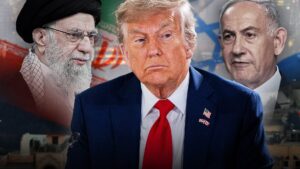
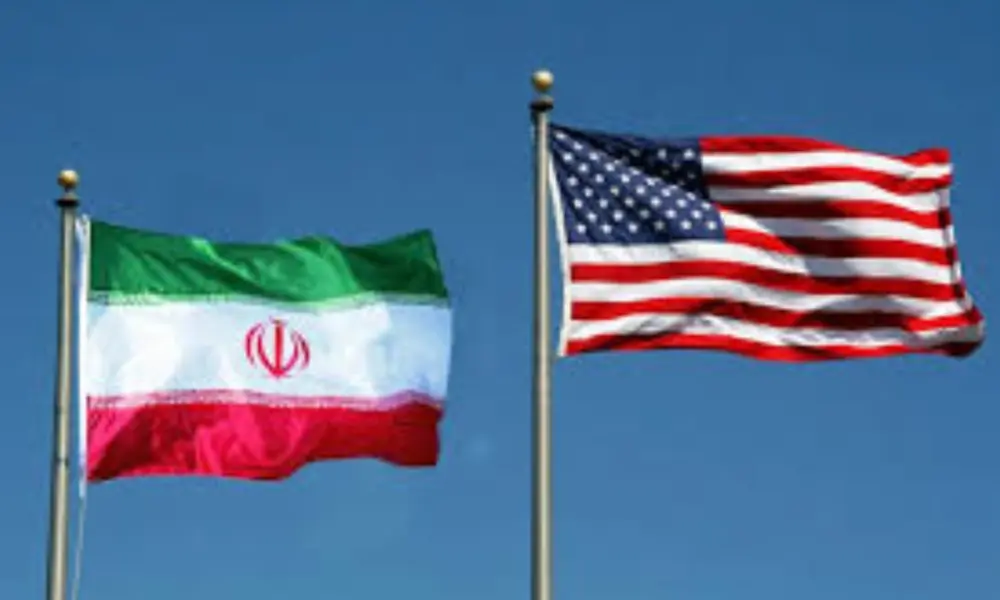
There is growing global attention and cautious optimism ahead of planned talks between the United States and Iran, following recent signals from leaders of both countries. Iranian President Masoud Pezeshkian has directed his top diplomat, Abbas Araghchi, to get ready for what he described as fair and balanced negotiations, free from threats or unrealistic demands.
The move comes amid heightened tension, as U.S. President Donald Trump said he remains hopeful of reaching an agreement despite rising fears of possible military action. The United States has increased its military presence near Iran, deploying warships and troops, a development that has drawn strong criticism from Tehran and warnings of wider regional conflict.
While Washington and Tehran have agreed to discuss their differences, officials on both sides have continued to exchange tough rhetoric. The U.S. is pushing for Iran to abandon nuclear ambitions and halt support for militant groups, while also backing the enforcement of United Nations sanctions. Iran, however, insists it has the right to defend itself and rejects any attempt at regime change or external interference.
Diplomatic efforts are continuing behind the scenes, with talks expected to be led by Abbas Araghchi and U.S. envoy Steve Witkoff. Regional players including Turkey, Oman, Qatar, and Saudi Arabia are closely involved, while European leaders such as France’s President Emmanuel Macron have urged Iran to respect human rights, release political prisoners, and return to serious discussions on nuclear and regional security issues.