
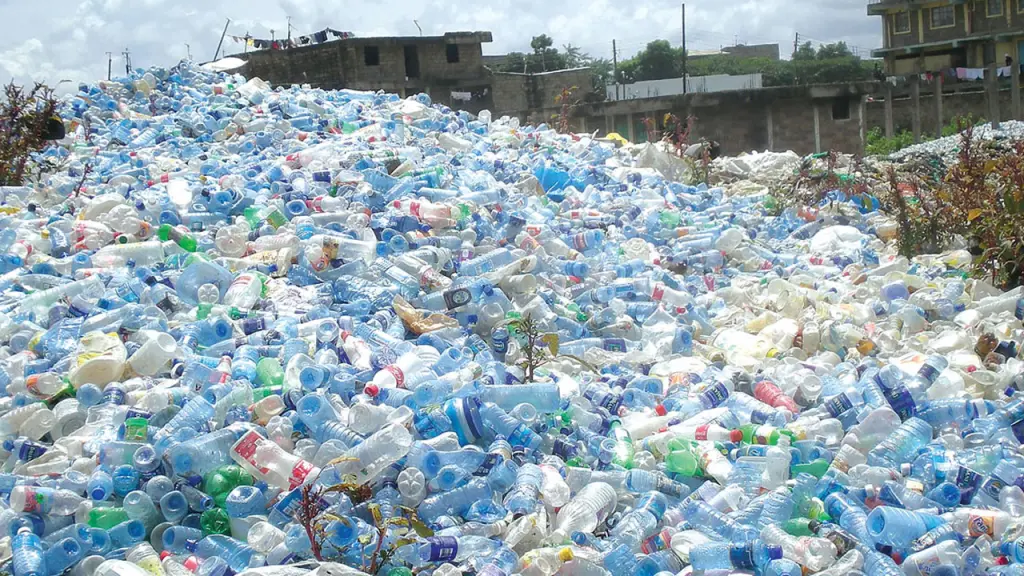
The United Nations Development Programme (UNDP) and Digital Pears International (DPI) have urged Nigeria to begin phasing out the use of plastics, warning that the damage caused by plastic waste is severe and far-reaching. Speaking at a plastic waste solutions programme in Abuja, the organisations said Nigeria can survive without plastics if collective action is taken by government, businesses and individuals. They pointed to countries like Rwanda, where plastic use has been successfully banned, as proof that change is possible.
Dr Ibironke Olubamise, National Coordinator of the UNDP GEF Small Grants Programme, said the plastic waste crisis in Nigeria is largely driven by poor awareness and public attitude. She explained that many Nigerians believe only government can solve environmental problems, but stressed that individuals and communities can take the lead. According to her, raising awareness, building capacity and providing resources are key steps needed to reduce plastic pollution and protect the environment.
She added that Nigeria has already shown it can take bold environmental actions, citing the ban on Styrofoam in Lagos State. Dr Olubamise noted that although the challenge of plastic waste is huge, solutions do not have to be instant to be effective. She encouraged Nigerians to remain optimistic, saying that if Rwanda can successfully eliminate plastics, Nigeria can also achieve the same with commitment and consistency.
Also speaking, former Permanent Secretary in the Federal Ministry of Environment, Dr Mrs Ibukun Odusote, described plastic waste as one of Nigeria’s biggest environmental problems because it does not easily decompose. She stressed the need to educate citizens, especially young people, on how plastic waste can be recycled for income. The UNDP team revealed ongoing engagement with manufacturers and supermarkets in the FCT and Nasarawa State, urging them to reduce nylon packaging and promote responsible disposal of plastic waste.