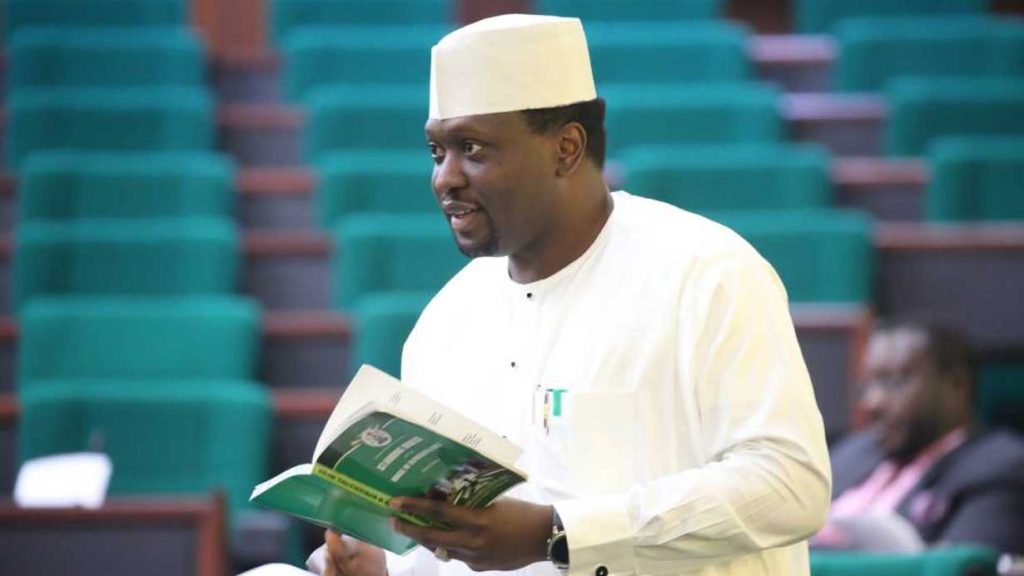
Strong reactions have followed the passage of Nigeria’s new tax laws after a lawmaker, Dasuki, alleged that key parts of the bills were altered. The claim has triggered public anger, with many Nigerians questioning the transparency of the legislative process. Social media platforms were flooded with criticisms, as citizens demanded clarity on how the final versions of the laws were approved.
Dasuki’s allegation suggests that what lawmakers debated and voted on may not fully match what was eventually signed into law. According to him, such an action undermines democratic principles and could amount to a serious breach of trust. The claim has renewed concerns about accountability in the National Assembly and the need for stronger checks within the lawmaking process.
Civil society groups and legal experts have also joined the debate, warning that altering bills after approval could have grave constitutional implications. Some commentators described the development as an “impeachable offence,” insisting that lawmakers and relevant authorities must explain the discrepancies. They argue that tax laws affect every Nigerian and must be handled with openness and integrity.
As pressure mounts, many Nigerians are calling for an independent review of the tax laws to confirm their authenticity. Others want lawmakers to publish voting records and draft versions to rebuild public confidence. The controversy has once again highlighted the demand for transparent governance, especially on policies that directly impact citizens’ livelihoods.