
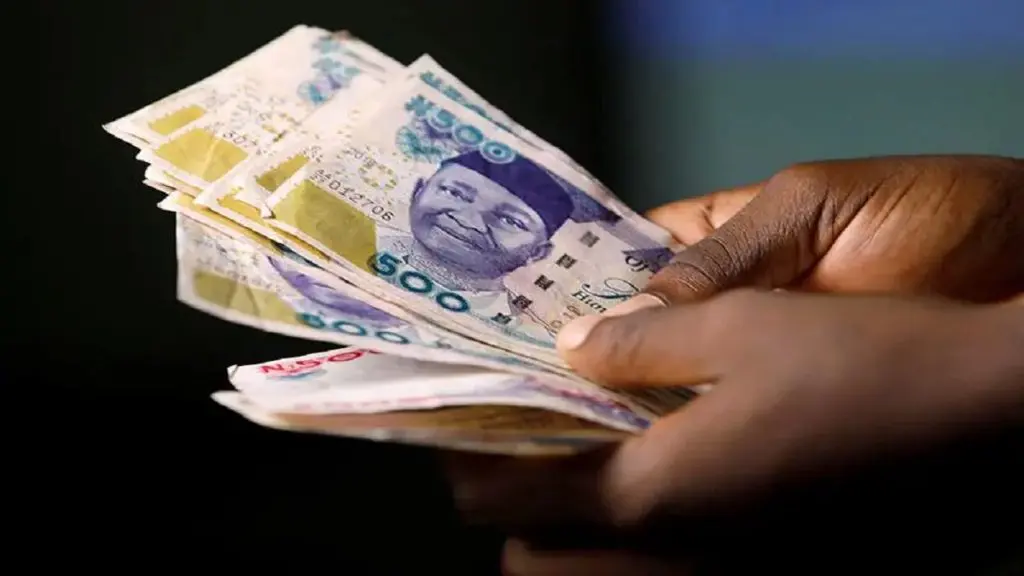
The Nigerian naira continued to face pressure as it recorded further depreciation against the U.S. dollar in both the official and black markets. Traders and financial analysts reported that the currency struggled throughout the day, reflecting ongoing supply shortages in the foreign exchange market. This drop has raised fresh concerns about currency stability and its impact on everyday living costs.
At the official market, the naira weakened as demand for dollars remained higher than available supply. Many importers and businesses seeking foreign currency for transactions found it difficult to access forex at regulated rates, forcing some to explore alternative channels. This imbalance between demand and supply has kept the naira under strain for several weeks.
In the black market, the situation appeared even tougher, with the naira trading far lower than the official rate. Operators in the parallel market linked the continued depreciation to rising dollar demand from traders, travellers and small businesses. They also noted that uncertainty around government monetary policies has contributed to unstable pricing.
Economists warn that the persistent depreciation is likely to push prices of goods and services even higher, especially imported items. They are urging the government to improve forex supply, strengthen local productivity, and implement policies that build investor confidence. Many Nigerians hope for quick interventions that will help stabilize the exchange rate and ease financial pressure on households.