
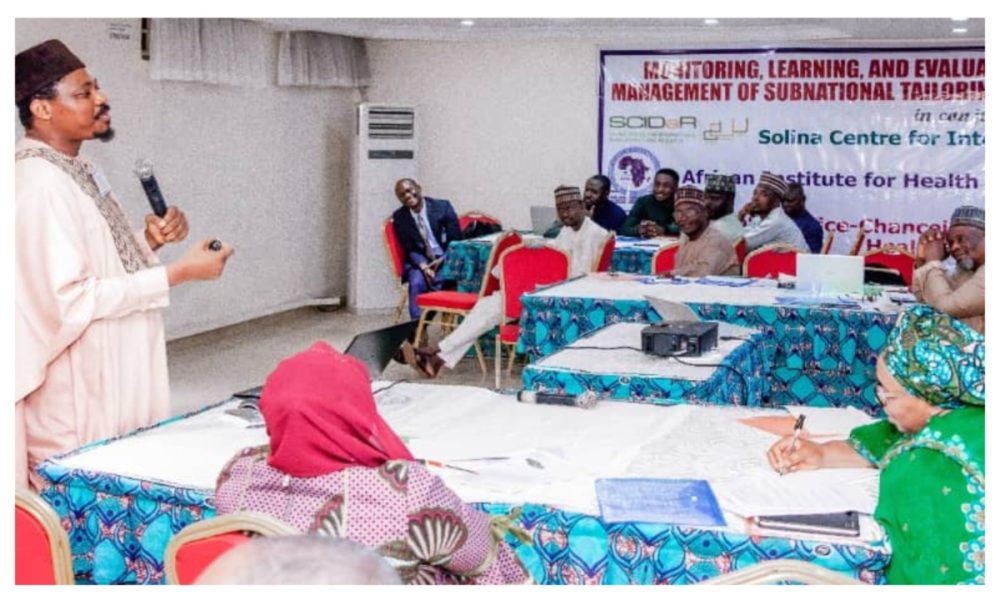
Health experts in Kano State have urged the government to institutionalise a long-term malaria control plan to reduce the disease burden in the state. According to them, malaria remains one of the leading health challenges in Kano, affecting thousands of people every year and putting pressure on hospitals and families. They stressed that a structured and sustained strategy is needed to fight malaria effectively, rather than occasional campaigns.
During a recent health forum in Kano, the experts highlighted that one-time interventions and seasonal programmes are not enough to end malaria transmission. They explained that a permanent and well-funded control system will help improve early diagnosis, ensure constant access to mosquito nets and medication, and support community awareness. They added that prevention should go hand-in-hand with treatment to achieve lasting results.
The specialists also called for better coordination between government agencies, health workers, community leaders, and development partners. They emphasised that strong teamwork and clear roles will help ensure accountability and effective implementation of malaria policies. According to them, every stakeholder must play a role in protecting public health.
They further urged the Kano State Government to invest in research and modern technology to track malaria cases and monitor progress. Experts believe that real-time data, public education, and consistent funding will make malaria control efforts stronger. They also encouraged residents to participate by keeping their surroundings clean and eliminating stagnant water where mosquitoes breed.
As Kano continues to battle malaria, the call for a permanent structured plan reflects growing concern among medical professionals. They remain hopeful that with continuous effort, improved public participation, and strong government support, malaria cases in the state will significantly decline and save more lives.