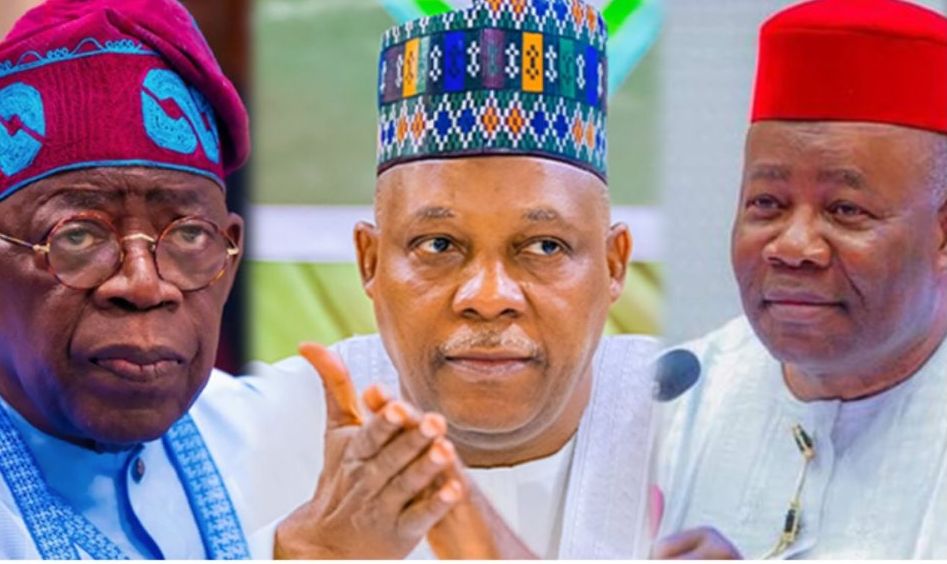
The Nigerian government is considering increasing salaries for political office holders, arguing that current pay is outdated and insufficient.
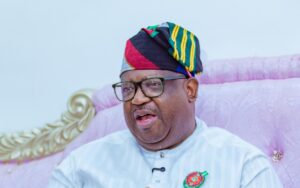
Mohammed Shehu, Chairman of the Revenue Mobilisation Allocation and Fiscal Commission (RMAFC), shared this during a press briefing in Abuja.
Shehu explained that President Bola Tinubu currently earns N1.5 million per month, while ministers earn less than N1 million—a level that hasn’t changed since 2008.
“You are paying the President N1.5 million a month for a country of over 200 million people. Many consider this laughable,” he said.
He added that it is unfair for agency heads to earn far more than ministers or the Attorney-General, with some earning up to twenty times more.
The proposal has sparked controversy, as millions of Nigerians are still struggling with inflation, poverty, and low wages.
Observers say the debate highlights questions about leadership, public trust, and the true cost of governance in Africa’s largest economy.
Currently, Nigeria’s minimum wage is N70,000 per month, but not all states have implemented it, particularly for local government workers and teachers.
In 2022, the National Bureau of Statistics reported that over 133 million Nigerians live in poverty, about 63% of the population.
The report also highlighted severe gaps in sanitation, healthcare, food security, and housing, with rural poverty at 72% compared to 42% in cities.
In the same year, Nigerian academic and non-academic staff went on an eight-month strike demanding better welfare and funding for universities, but little improvement has occurred since.
Professor Chidiebere Nwachukwu, a senior lecturer at the University of Nigeria, criticized the pay hike, saying politicians are already overpaid while ordinary workers struggle.
“The government seems to prioritize greedy politicians over the masses. Civil servants and teachers are ignored while politicians take a large chunk of the national budget,” he said.
He warned that neglecting workers while rewarding politicians could trigger unrest. “The President already has many allowances beyond his salary. Those who need raises are workers, not politicians,” he added.
Nwachukwu noted Nigerians have lost trust in government promises, saying, “For years, we’ve been told to be patient, but things keep getting worse. Leaders focus on elections rather than fixing the country.”
Economist Dr. Samson Simon also criticized the plan, arguing that politicians are already among the best-paid in the country.
He said lawmakers earn around N30 million monthly, or roughly $20,000, far above global averages. “Teachers, professors, nurses, and soldiers deserve higher pay, not politicians,” Simon said.
He added that prioritizing politician salaries over civil servants discourages work and attracts people to politics for money instead of service.
Legal expert Olu Omotayo, from the Civil Rights Realisation and Advancement Network (CRRAN), called the proposal deceptive, noting that public officers already benefit from many allowances.
“Most salaries aren’t the real issue. Leaders get travel allowances and perks at government expense. Instead of boosting salaries, the government should cut unnecessary spending,” Omotayo said.